
Banana
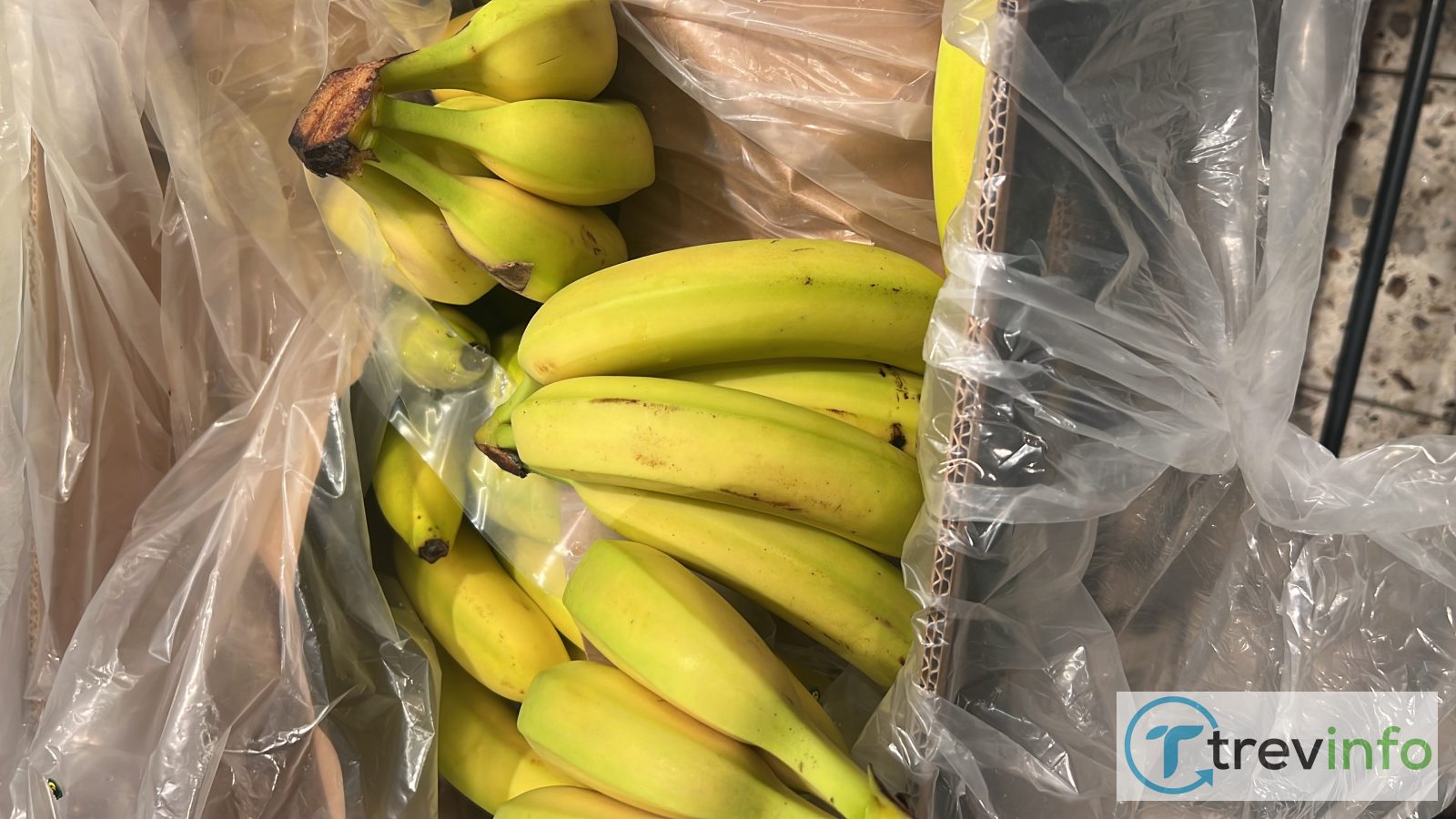
The History and Wonder of the Banana: From Ancient Jungle to Global Superfruit
Though it is a staple in supermarkets worldwide, the humble banana boasts a rich history, unique botanical characteristics, and cultural significance that rival any exotic monument. From its origins in prehistoric rainforests to its status as a global agricultural powerhouse, the banana is far more than just a convenient snack.
A Journey Through Time: Origins and Cultivation
Unlike historic buildings, the banana’s "construction" is a masterpiece of ancient agriculture. Archaeological evidence suggests that bananas were first domesticated in the highlands of Papua New Guinea around 5000 to 8000 BCE. This makes the banana one of the oldest cultivated crops in human history.
From Southeast Asia, traders carried the fruit westward. By the 6th century BCE, Buddhist texts mentioned the banana, and Alexander the Great discovered the taste of this golden fruit during his campaign in India in 327 BCE. Islamic traders later spread bananas across Africa, and in the 15th century, Portuguese sailors transported them to the Canary Islands, eventually introducing them to the Americas, where the tropical climate allowed them to flourish.
The Botanical "Style" of the Banana
In terms of structure and botanical style, the banana plant is a marvel of nature. Many people refer to it as a "banana tree," but it is actually a giant herbaceous plant—in fact, the largest herbaceous flowering plant in the world. What appears to be a tree trunk is actually a "pseudostem," made of tightly packed leaf bases.
Today, the global market is dominated by a single variety style: the Cavendish banana. However, this was not always the case. Until the 1950s, the richer, sweeter Gros Michel variety was the global favorite, until it was nearly wiped out by the devastating Panama disease, forcing the industry to adapt to the more resilient Cavendish.
Fascinating Facts and Curiosities
- Botanically a Berry: In botanical terms, the banana is actually a berry because it is produced from a single ovary and has a soft skin and fleshy middle. Strawberries, ironically, are not.
- Naturally Radioactive: Bananas contain high levels of potassium, including the natural isotope potassium-40. While completely harmless to humans, eating a banana actually exposes you to a tiny, negligible amount of radiation.
- The Slip on the Peel: The classic comedy trope of slipping on a banana peel has roots in reality. In the late 19th century, rotting banana peels discarded on city streets were a major public safety hazard, leading to the first municipal littering laws.
- The Plantain Cousin: While we eat sweet bananas raw, millions of people rely on starchier cooking bananas (plantains) as a cooked staple food, much like potatoes in Western cuisine.
Tourism: Exploring the Banana Lands
For travelers and ecotourists, visiting a banana plantation is a fascinating experience. Regions like the Canary Islands (Tenerife), Costa Rica, and Ecuador offer guided tours where visitors can walk through lush plantations, learn about sustainable harvesting, and taste varieties that never make it to export shelves, such as the red banana or the sweet apple banana.
Media Group and Partners: AutoMotorCenter.hu | BPszakik.hu | MyBalcsi.hu | TRSOnline.hu | KarikuszDesign.hu | Holszorakozz.hu | Autosjatekok.hu | BMWShow.hu | Rallyhungary.hu | Holszorakozz.hu | Kidblo.com I Kidblo.hu | Máltainyaralás |