
Valletta
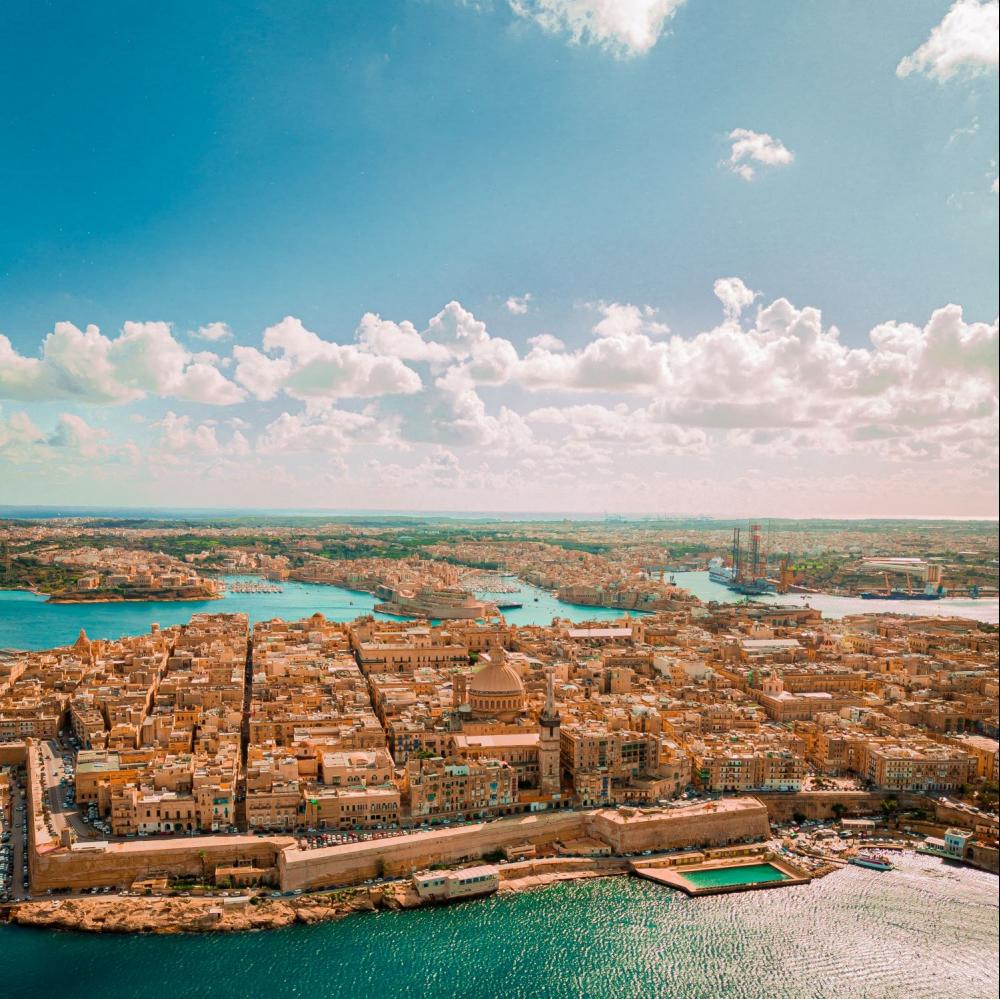 Valletta is the capital city of Malta. Located in the south east of the island, between Marsamxett Harbour to the west and the Grand Harbour to the east, its population in 2014 was 6,444, while the metropolitan area around it has a population of 393,938. Valletta is the southernmost capital of Europe. Valletta's 16th century buildings were constructed by the Knights Hospitaller.
The city is Baroque in character, with elements of Mannerist, Neo-Classical and Modern architecture, though the Second World War left major scars on the city, particularly the destruction of the Royal Opera House.
The city was officially recognised as a World Heritage Site by UNESCO in 1980. The city's fortifications, consisting of bastions, curtains and cavaliers, along with the beauty of its Baroque palaces, gardens and churches, led the ruling houses of Europe to give the city its nickname Superbissima— Italian for Most Proud.
(Wikipedia)


Media Group and Partners: AutoMotorCenter.hu | BPszakik.hu | MyBalcsi.hu | TRSOnline.hu | KarikuszDesign.hu | Holszorakozz.hu | Autosjatekok.hu | BMWShow.hu | Rallyhungary.hu | Holszorakozz.hu | Kidblo.com I Kidblo.hu | Máltainyaralás |